Introduction
Idli is one of the most popular and healthy breakfast dishes in India. Known for its soft, fluffy texture and light taste, Idli is loved by people of all ages. This traditional South Indian food is not only delicious but also easy to digest, making Idli a perfect choice for a healthy lifestyle. Whether served with chutney or sambar, Idli remains a comforting and nutritious meal.
History & Origin of Idli
The history of Idli goes back hundreds of years and is deeply connected to South Indian cuisine. Idli is believed to have originated in regions like Tamil Nadu and Karnataka. Some food historians suggest that Idli may have been influenced by fermentation techniques from Southeast Asia. Over time, Idli became a staple food because it is simple to prepare, affordable, and highly nutritious.
Ingredients & Preparation of Idli
Idli is made using basic ingredients such as rice and urad dal (black gram). These ingredients are soaked, ground into a smooth batter, and left to ferment overnight. The fermentation process is essential as it gives Idli its soft and spongy texture. Once the batter is ready, it is poured into molds and steamed. This steaming method makes Idli light, fluffy, and healthy.
Types of Idli
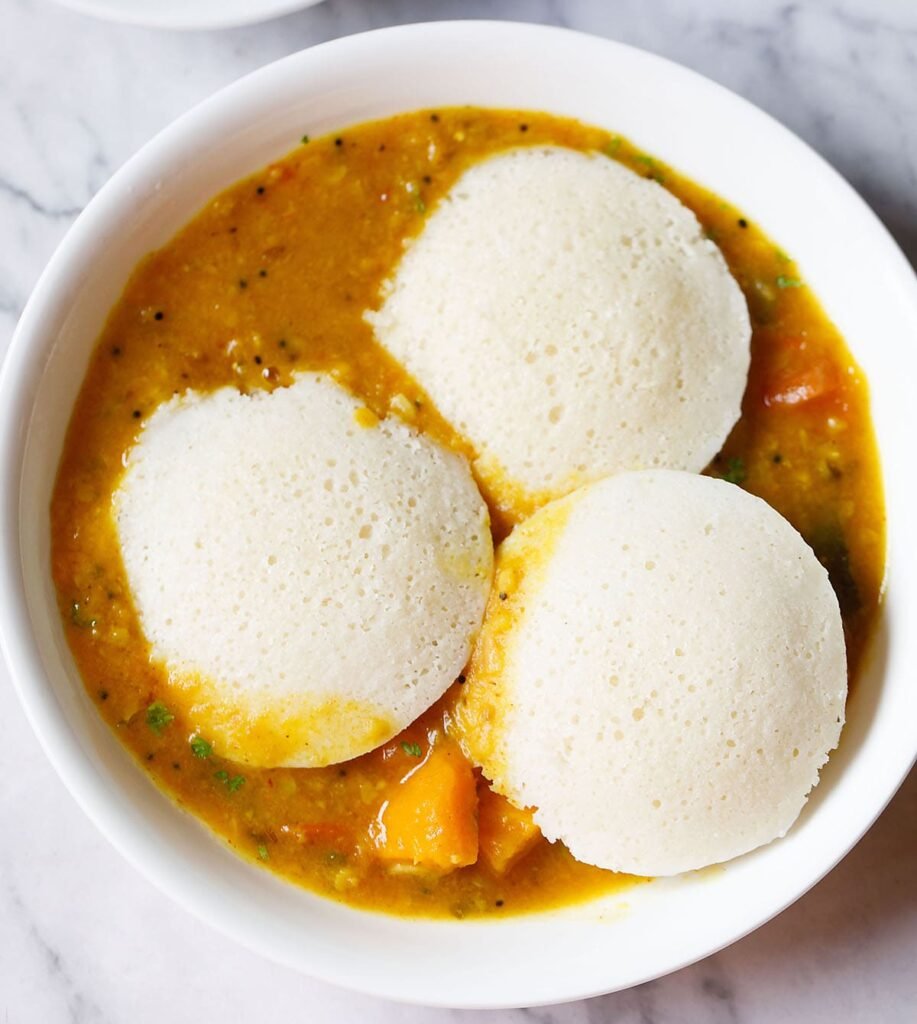
There are many different types of Idli that cater to various tastes and preferences. The classic rice Idli is the most common. Rava Idli is a quick alternative that does not require fermentation. Kanchipuram Idli is a spiced version with a rich flavor. Mini Idli, often served in sambar, is also very popular. Modern variations like oats Idli and vegetable Idli are gaining popularity among health-conscious people.
Nutritional Benefits of Idli
Idli is considered one of the healthiest foods due to its low calorie content and high nutritional value. Since Idli is steamed and not fried, it contains very little fat. The fermentation process improves digestion and helps the body absorb nutrients better. Eating Idli regularly provides energy while keeping your meal light and healthy.
Best Pairings with Idli
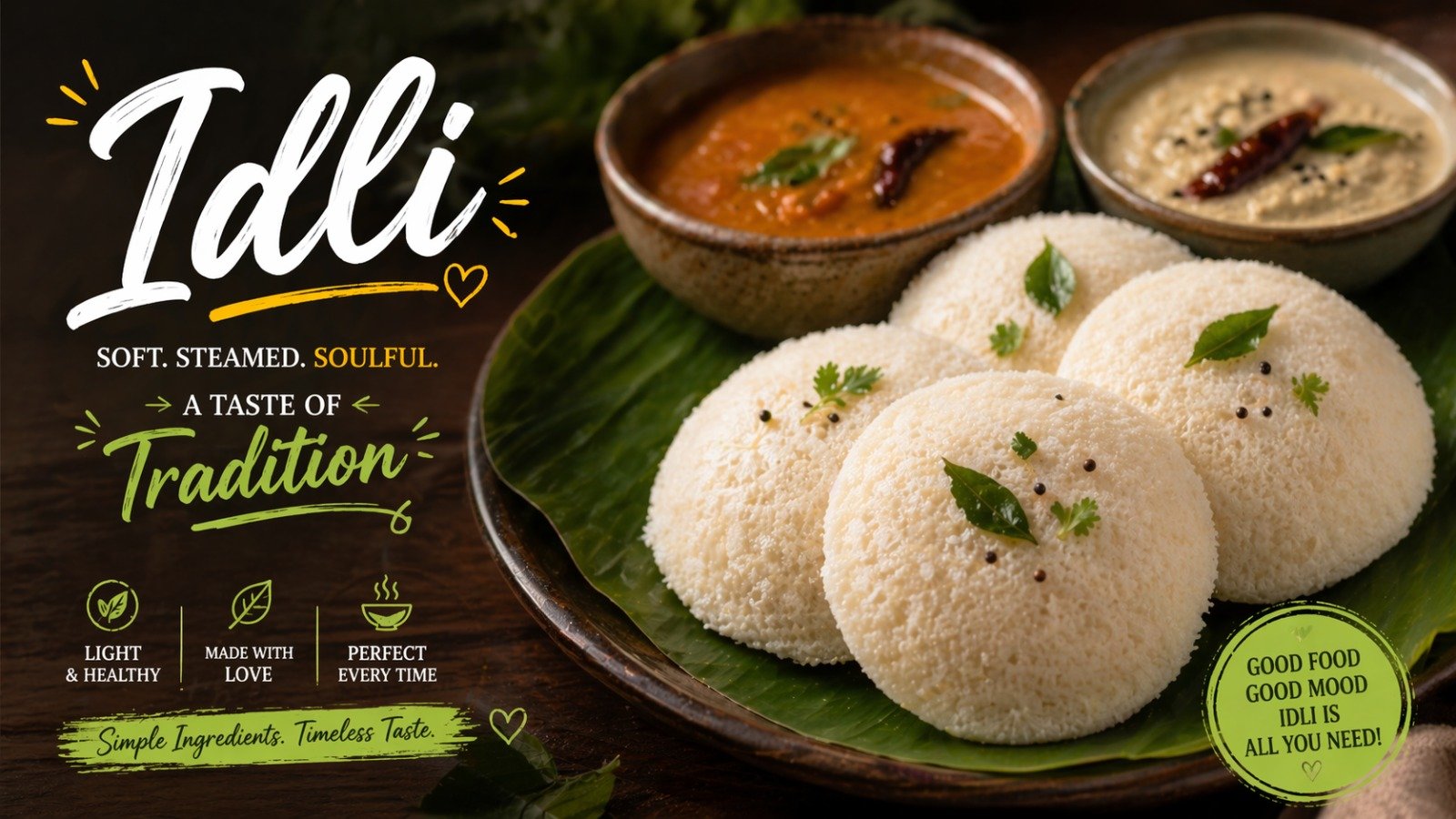
Idli tastes best when served with delicious side dishes. The most common combination is Idli with sambar, which adds both flavor and nutrition. Coconut chutney is another classic pairing that enhances the taste of Idli. Some people also enjoy Idli with tomato chutney or spicy podi mixed with ghee or oil, making the meal even more satisfying.
Idli in Modern Times
Idli has adapted well to modern lifestyles. Today, ready-made batter and instant mixes make it easier to prepare Idli quickly at home. Idli is also becoming popular globally, with restaurants offering creative versions like cheese Idli and fried Idli. Despite these innovations, the traditional Idli continues to remain a favorite.
Cultural Significance of Idli
Idli is more than just food—it is a part of Indian culture and tradition. In many households, Idli is a daily breakfast item. It is also commonly prepared during festivals, family gatherings, and travel. The process of making Idli batter has been passed down through generations, making Idli a symbol of comfort and home.
Tips & Tricks to Make Perfect Idli
To make soft Idli, always use the correct ratio of rice and urad dal. Allow enough time for proper fermentation, especially in cooler climates. Keep the batter in a warm place to get the best results. Avoid overmixing the batter after fermentation, as it can affect the texture. Proper steaming is also important to ensure soft and fluffy Idli every time.
Conclusion
Idli is a simple yet powerful example of healthy and delicious food. Its soft texture, nutritional benefits, and easy preparation make Idli a favorite across generations. Whether you enjoy traditional Idli or try modern variations, this dish continues to hold its place as a perfect meal option.
FAQs
What is Idli made of?
Idli is made from rice and urad dal that are soaked, ground, and fermented before steaming.
Is Idli healthy?
Yes, Idli is very healthy as it is low in calories, easy to digest, and made using a steaming process.
Why is my Idli not soft?
Idli may not turn out soft if the batter is not fermented properly or if the ratio of ingredients is incorrect.
Can I make Idli without fermentation?
Yes, you can make rava Idli, which does not require fermentation and is quicker to prepare.